
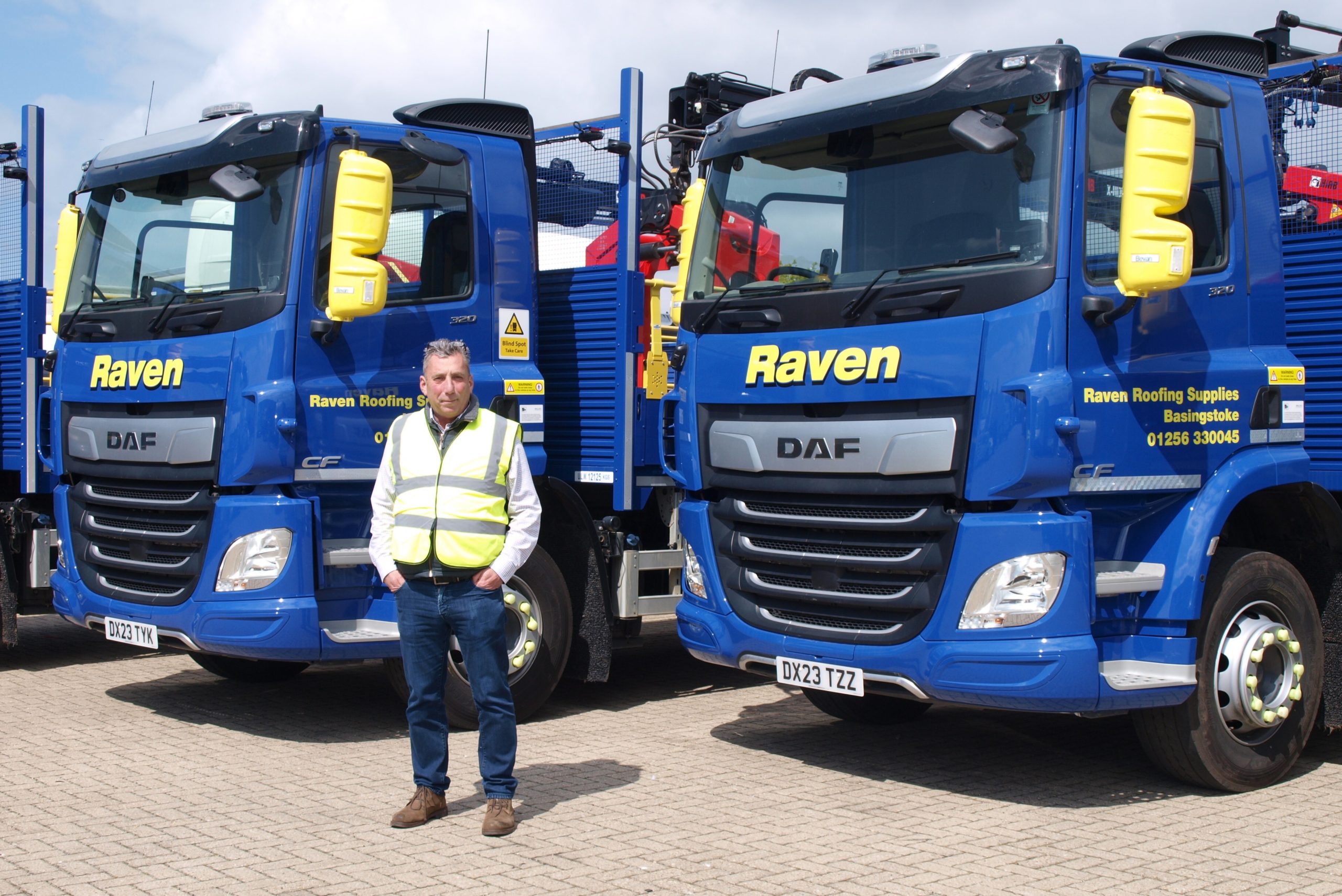
A vital component of any builders’ merchant’s service offering, PBM discusses the latest issues affecting transport fleets and logistics with Tim Houghton, Managing Director of commercial vehicle hire specialist FVTH.
Q: Following another challenging year, what are some of the headline fleet issues to consider?
A: 2025 was difficult for all sectors including construction, with the industry suffering through poor haulage rates and rising vehicle and maintenance costs. Government legislation around vehicle safety systems continues to add cost to the overall capital cost of the vehicle.
Keeping all vehicles compliant has always been a challenge and new legislation is not making that any easier.
Q: What are the real challenges for 2026 when buying a new vehicle, for instance? Are more merchants asking for a comprehensive, planned package to manage costs?
A: New vehicle costs have increased in the last 24 months with around a 30% increase across the board — rising maintenance costs and poor residual values makes the cost of ownership very difficult for operators.
Interestingly over the last 12 months, more and more companies that would normally outright purchase are looking to get a fixed cost rental/contract hire vehicles.
“It is all about uptime and being on the road, traditional vehicles are a known quantity and venturing into the unknown takes courage.”
Q: How do you think manufacturer lead times and supply chain issues will affect replacement schedules in 2026?
A: During 2025 manufacture lead times for chassis actually reduced, due in part to new sales volumes dropping from previous years. Ancillary equipment such as cranes, tailifts and fridges are now on longer delivery dates.
Body builders are accommodating with builds in 2026, and I would suggest building a new vehicle is back to a standard lead time expectation now between 12 and 26 weeks.
Q: How do you evaluate what mix of diesel, electric and alternative fuel HGVs make sense for a customer’s fleet?
A: The desire by the manufacturers to introduce EV and alternative fuelled vehicles to our fleets is still there. However, infrastructure issues, residual values and the capital cost of the new equipment are all limiting companies’ appetite to move away from traditional vehicles.
Until these areas are addressed, I think most businesses will avoid the change for as long as possible. They will prefer to keep with the vehicle models they know, they can cost, and they can accommodate in their yards without large investment.
It is all about uptime and being on the road, traditional vehicles are a known quantity and venturing into the unknown takes courage. However, it is a step that we will all need to take soon — government help (possibly in the form of grants) would certainly help some make that move.
Q: What is the ideal maintenance model? How does good planned maintenance help to minimise the cost of vehicle downtime?
A: Any maintenance regime is generated by annual and monthly KMS usage. Good, well planned routine maintenance will increase uptime and reduce running costs. Ad Blue and DPF (Diesel Particulate Filter) systems are still a huge challenge for operators, and very costly when they go wrong. ECU and Cam bust issues due to new tech are also a big challenge for operators and OEMs.
Q: How are upcoming 2026 UK/EU regulations on emissions, safety technology and tachographs going to impact on fleets?
A: New vehicles purchased now have most of these upgrades included, but I just wish there was more thought with government and the manufacturers over the safety features on the vehicles. We are still retrofitting equipment to meet the new legislation, meaning additional screens and cameras and tech for the driver to manage.
Q: What are the conversations around telematics for merchants? Are telematics systems capable of producing the detailed data needed in 2026?
A: Most customers have their own platforms/suppliers to manage their fleets, and it is ‘an essential’ now for any fleet. I can see the telematic platforms increasing in the coming months as operators are looking for even more control and maximum utilisation of their fleets.
Q: How resilient can you be to fuel price spikes or energy shortages?
A: Fuel prices continue to challenge all industries and unfortunately it impacts on ours. FVTH currently doesn’t have an EV offering, concentrating on servicing the needs of our customer base which to date has not moved to the EV platform in any numbers.
We have yet to fully explore the alternate energy direction and strategy we would take. We are however on a rented site, which means that investment and infrastructure would be a problem currently. This is common to many of our customers, who also rent their yards.
Q: And what are some of the latest developments for FVTH as a business?
A: FVTH has recently moved to new premises in Wraysbury to offer more space for our own customers. It is a great addition to our business giving us a large 3 bay workshop and new offices, with 1.2 acres of prime land close to J13 of the M25.
It will allow us to grow and service our customers in West London and throughout the UK.
Q: Given its ongoing challenges, what are your closing thoughts on the building materials sector specifically?
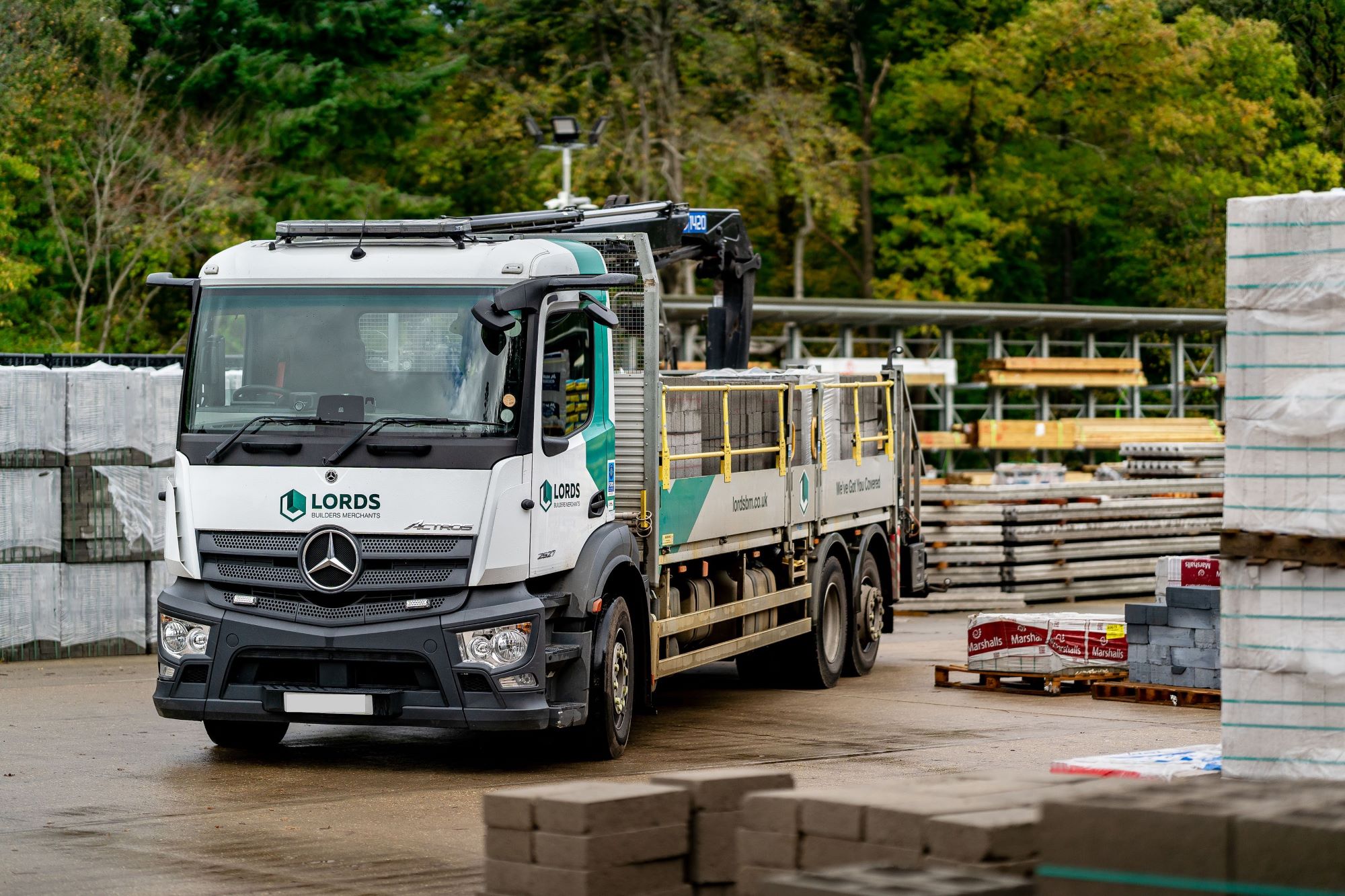
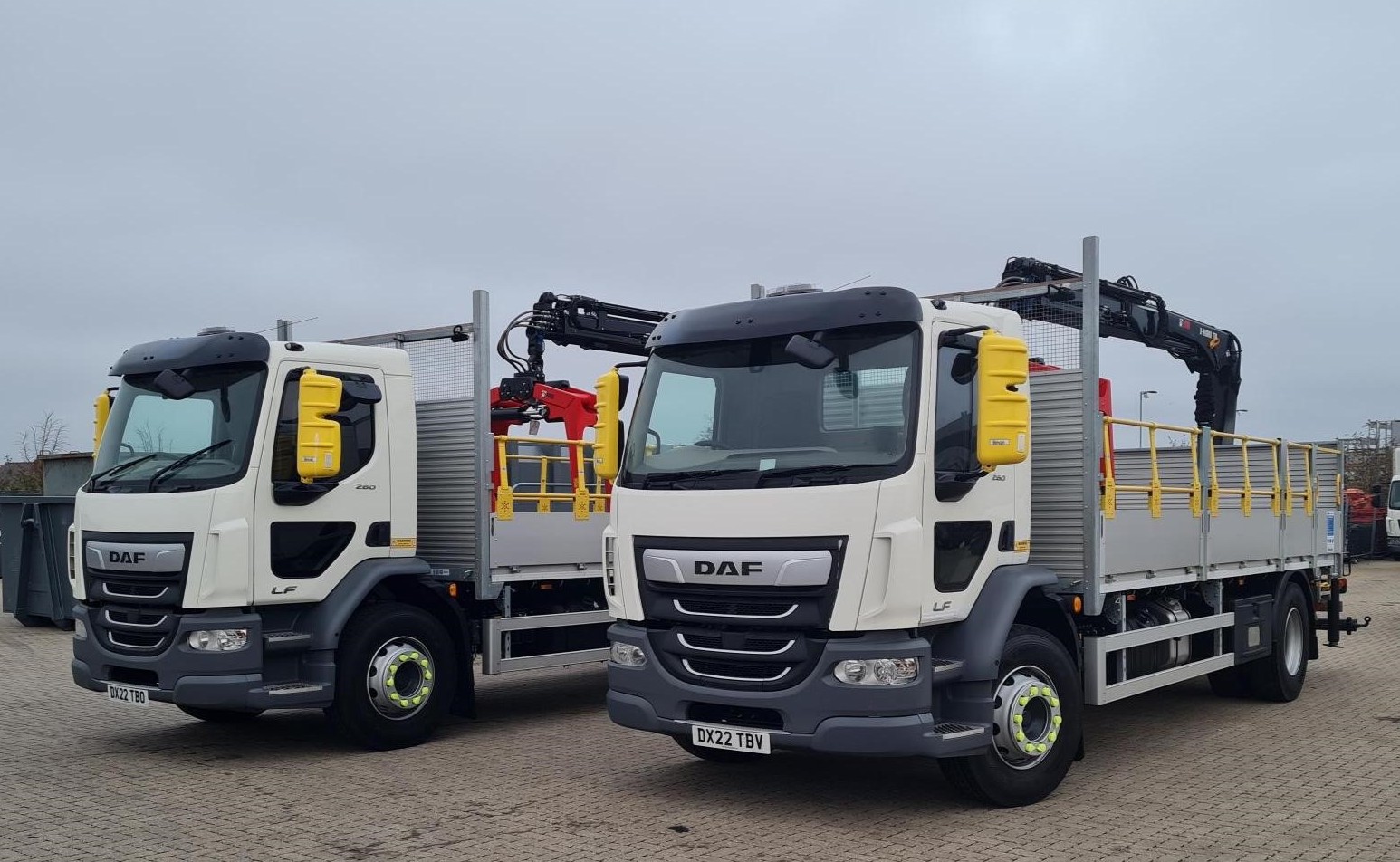
A: The merchants have continued to be an important part of the FVTH portfolio and during 2025 Lords Builders Merchants, amongst others, has expanded its fleet with the company.
Equally, it is evident that there are less specialist providers of builders’ merchant cranes for both contact hire and short-term rental, and therefore used vehicle sales. FVTH has capacity in all these areas, and we saw an upturn in requests and a high volume of enquiries from existing and new customers in the latter part of the year.
Overall, this should continue into 2026, and I think there’s a growing feeling of optimism amongst the merchants that this year will certainly bring more opportunity than the past 24 months.
Click the link for more information on FVTH.