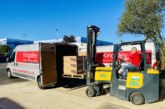
Impact Handling details how rising costs, equipment availability and operational pressures all change the way merchant businesses need to approach forklift fleet replacement.
For many builders’ merchant firms, forklifts and materials handling equipment are rarely front of mind — until something goes wrong.
A truck breaks down in the middle of a busy delivery schedule. Fuel costs rise. Maintenance bills start to creep up. Operators begin reporting reliability issues that have been building for months…
At any of these points, equipment that has been ‘good enough’ for years can quickly become a real operational issue — not just in terms of cost, but in productivity and a business’s ability to serve its customers.
We’ve seen a clear shift in how businesses across the sector are approaching these decisions. Fleet replacement is no longer being treated as a like-for-like exercise. Instead, it is tied into wider conversations around cost control, efficiency and sustainability.
In many cases, the question is no longer “when do we replace this truck?” but rather “what is this equipment actually costing us to keep running, and is it suited to us operationally?”
In today’s environment, where margins remain under pressure and uncertainty continues to shape planning cycles, delaying that question can often prove more expensive than addressing it early.
Avoid “quietly increasing costs”
Across the construction sector, it has become common for equipment to stay in service beyond its intended replacement cycle. In some cases, this has been driven by market uncertainty. In others, extended lead times have simply made it more difficult to replace equipment within the original timeframe.
However, what is often underestimated is how gradually older equipment begins to affect day-to-day performance. From our experience, maintenance becomes less predictable and costs begin to drift upwards as equipment ages — and downtime also tends to increase in frequency.
“Fleet replacement is no longer being treated as a like-for-like exercise. Instead, it is tied into wider conversations around cost control, efficiency and sustainability.”
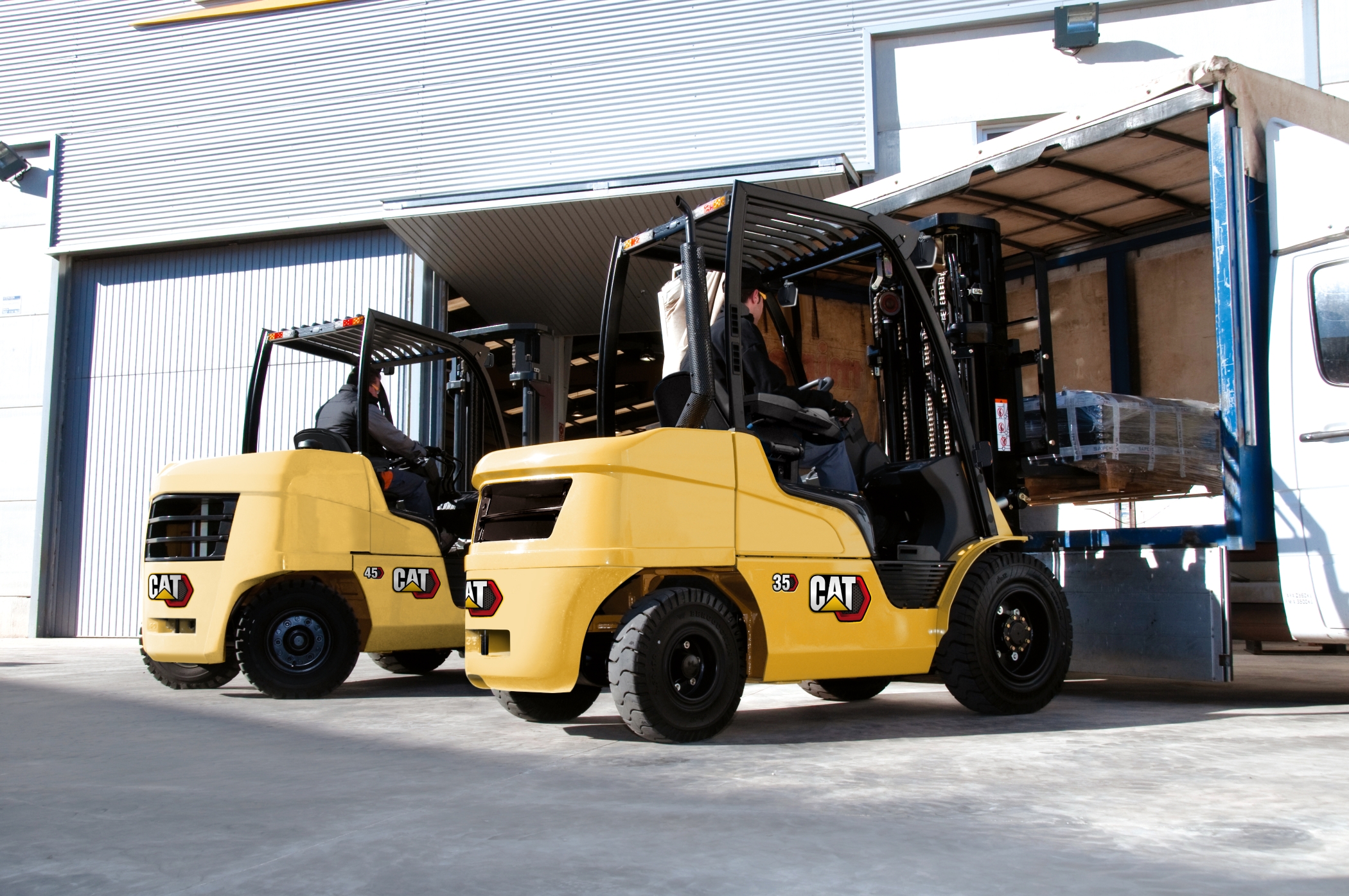
When a truck is out of action, the disruption rarely stays contained to a single task — it filters through yard operations, loading schedules and outbound deliveries, which in turn ultimately impacts on customer service.
This is why we encourage customers to look beyond the upfront replacement cost and instead consider the full operational cost of keeping equipment in service over its lifespan — as investing in newer equipment can reduce fuel usage, improve reliability and lower maintenance demand to a point where the overall business case for that investment becomes much clearer.
Electrification is growing, but…
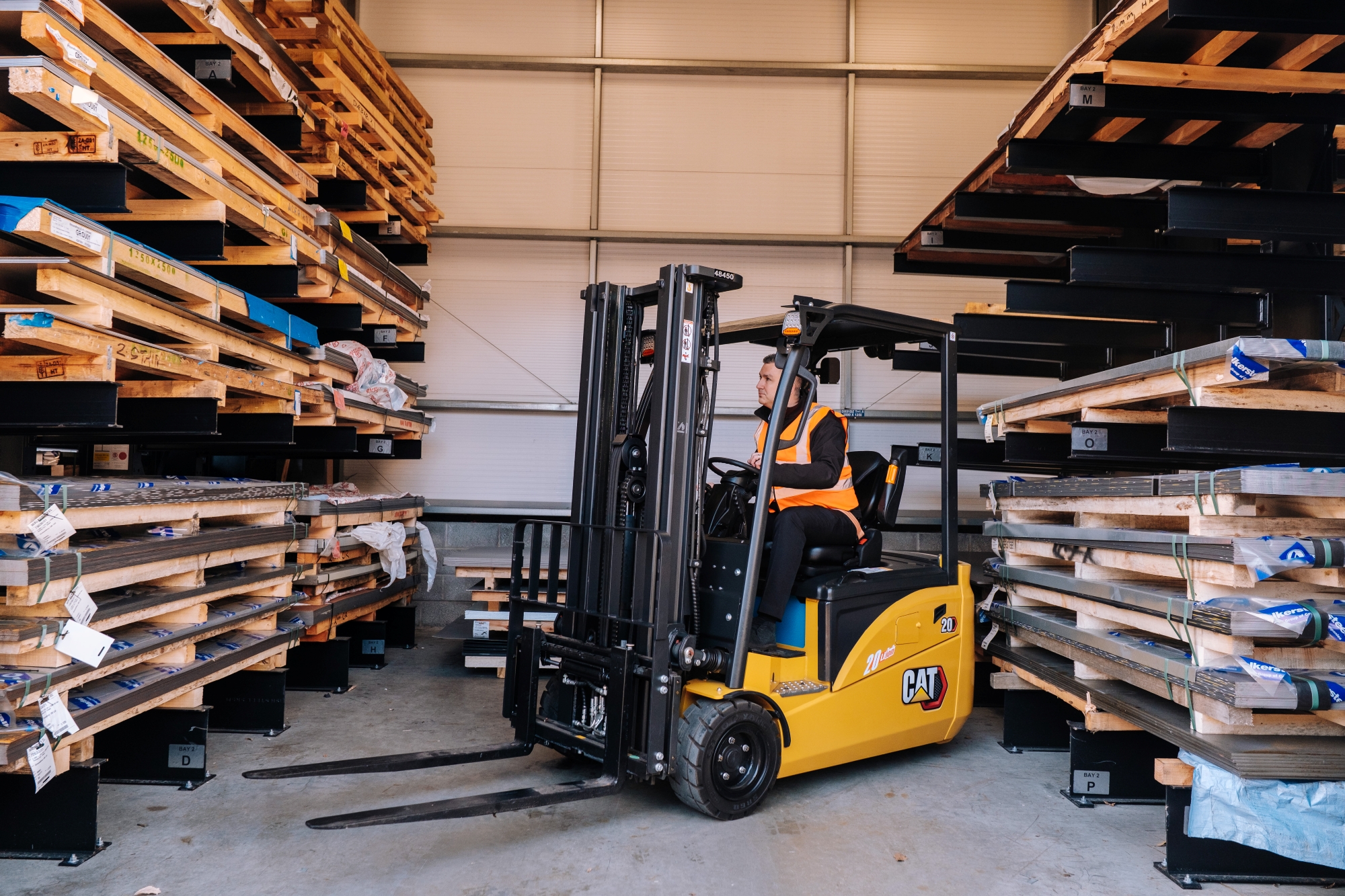
Sustainability is becoming a bigger part of everyday decision-making, which is why we are seeing electrification adopted across a growing number of applications — particularly in indoor warehouse environments, controlled yard operations and urban locations where lower emissions and reduced noise can offer clear operational benefits.
Most prospective customers want to know four basic things: will this save us money, work well in our environment, hold up under our shift workloads, and create any new operational headaches?
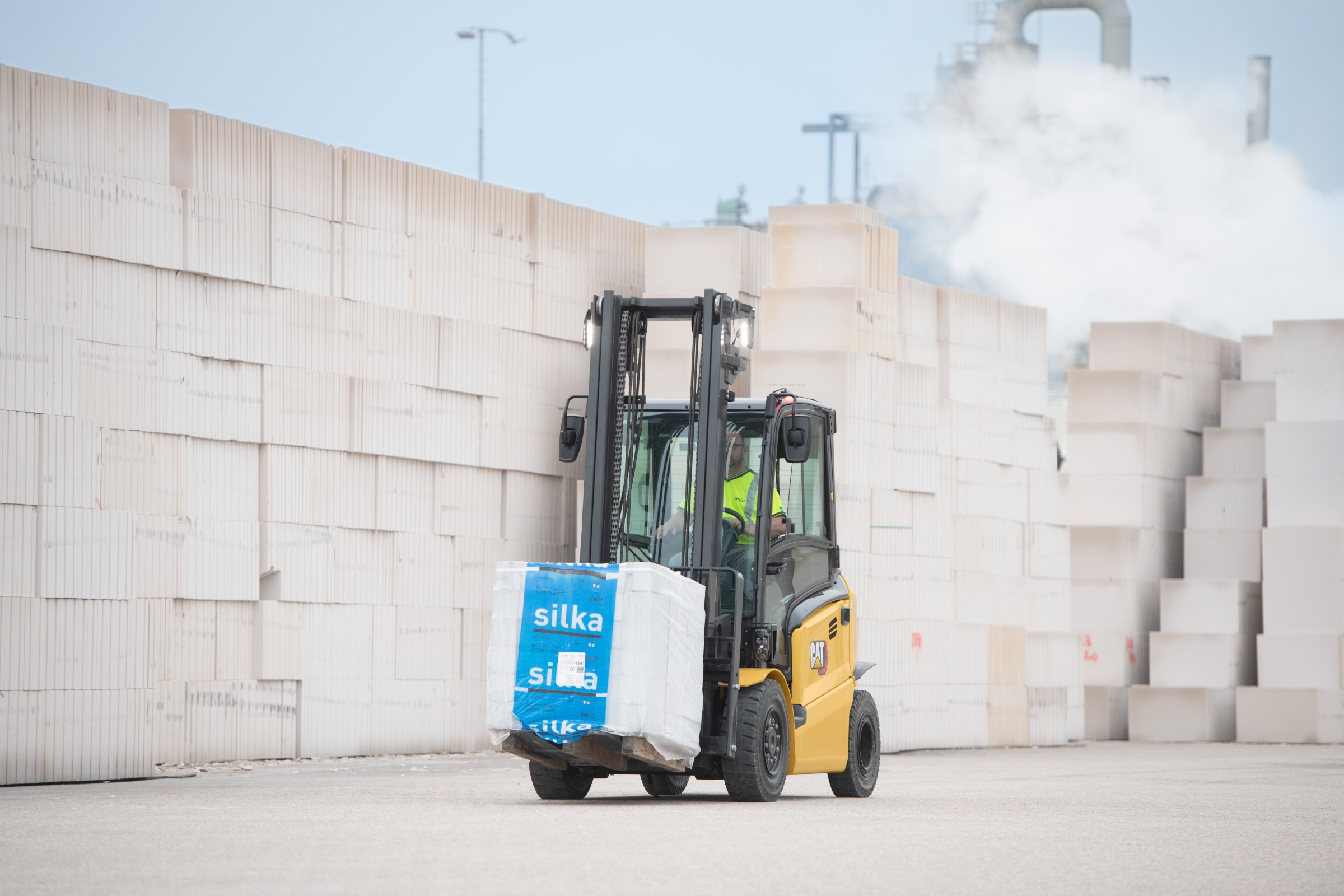
However, it is equally important to recognise that electric powered handling equipment is not a universal replacement for diesel or alternative power sources. Many have fallen into this trap when looking to make the switch without fully assessing how the equipment will perform within their bespoke operational environment.
In heavier-duty outdoor applications, multi-shift operations or environments with uneven ground conditions, different solutions may still be more appropriate. Charging infrastructure, duty cycles and operator behaviour also all need to be properly factored into any decision-making process.
Where challenges tend to arise is when decisions are influenced by general market trends — such as the collective push towards Net Zero — rather than governed by how they fit the operational need.
Availability and flexibility
Another shift we are seeing across the market is the growing importance of availability in fleet planning decisions. In recent years, long lead times caused by supply chain disruption and wider global uncertainty have forced many businesses to keep equipment in service longer than originally intended.
As a result, businesses are having to balance replacement planning carefully against the need to keep day-to-day operations running efficiently. Having ‘access to the right equipment at the right time’ is therefore now becoming just as important as having the right specification itself.
As a business, we have responded to this by investing in a wide range of UK stock that can still be tailored to the customers requirements and delivered at short notice when required. A more consultative approach also adds real value.
Rather than simply replacing equipment like-for-like, businesses want the flexibility to make decisions based on what their operation actually needs.
Mostly, businesses are not necessarily looking for the latest technology, but rather for reliability, efficiency and transparent running costs — reinforced by the confidence that both their equipment and supplier will continue to support them as demand changes and fluctuates.
Click here for more information from Impact Handling, an Aprolis company.