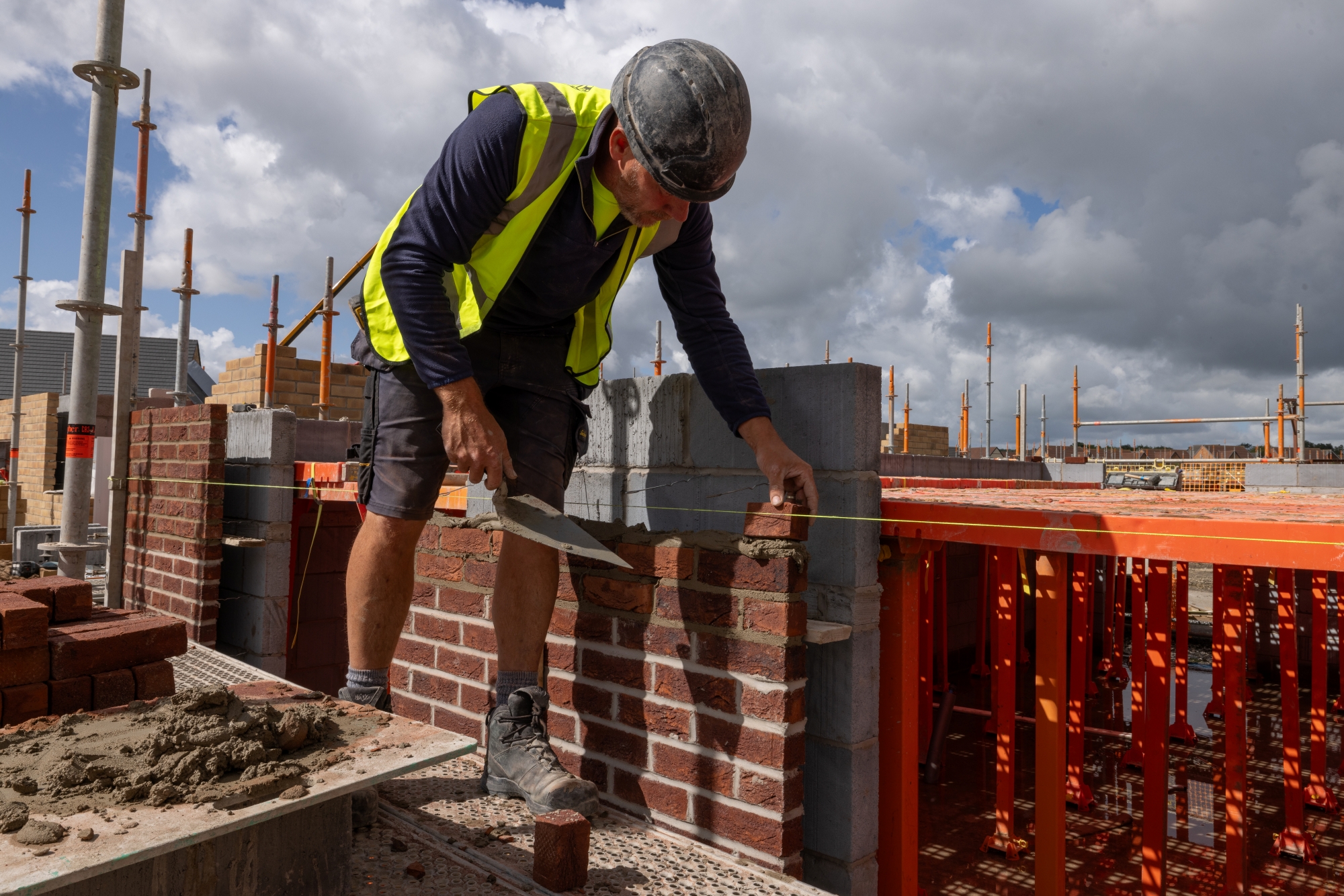
As customer expectations evolve and lower-carbon solutions enter the market, the future of masonry depends on manufacturers giving merchants more than quality products alone. Daniel Cheung, Channel Marketing Manager – Distribution at wienerberger UK & Ireland, explores why technical support, product knowledge and trusted partnerships are becoming just as valuable as supply itself.
While the masonry market is quick to stick in its ways, the pace of change today is unlike anything the industry has experienced before. Tighter environmental expectations, changing regulations and growing customer demand for more sustainable construction are reshaping how building materials are chosen.
For merchants, that means conversations at the counter are becoming increasingly technical. Customers simply no longer want to know what products are available — they want to understand their environmental credentials, performance, compliance and whether it’s the right solution for their project.
This creates both an opportunity and a challenge. Merchants have always played a critical role in connecting manufacturers with contractors, developers and housebuilders. Increasingly, however, they’re expected to do much more than supply materials.
They’re becoming trusted advisers, helping customers make informed decisions in an increasingly complex market — a role that cannot be fulfilled by stock availability alone.
However, confidence doesn’t come from having the right products on the shelf. It comes from having the knowledge and support to recommend them.
Confidence: the industry’s most valuable product?
Across the construction sector, manufacturers are investing heavily in innovation. New products are being developed to reduce embodied carbon, improve performance and help customers meet ambitious sustainability targets.
Yet innovation alone doesn’t necessarily guarantee adoption, and the biggest barrier in achieving this is often confidence that the product can do the job required. If a merchant isn’t confident explaining why a new product is different, where it should be used or the value it delivers, it’s understandable that they’ll recommend the solution they know.
Likewise, contractors are unlikely to change established purchasing habits if they don’t fully understand the benefits or have confidence the product will perform as expected.
For manufacturers, that means launching a product is only the beginning. The real challenge is ensuring the entire supply chain has the knowledge and confidence to support its adoption.
“Even where products are supplied directly or through specialist routes, merchants remain an important part of those early conversations, helping customers identify the most appropriate solutions and connecting them with manufacturers where required.”
Support beyond supply
The relationship between manufacturers and merchants has always been built on partnerships. But as products become more sophisticated, that partnership needs to evolve.
Manufacturers have an important role to play in giving merchants the tools they need to sell with confidence. That means providing accessible technical expertise, practical training, transparent product information and responsive support when questions arise.
Just as importantly, it means being honest. Customers increasingly value evidence over marketing claims. Independent testing, clear environmental data and straightforward conversations about where products are most appropriate all help build trust throughout the supply chain.
When merchants understand not only what a product does but why it matters, they’re far better placed to help customers make informed decisions.
Innovation and market understanding
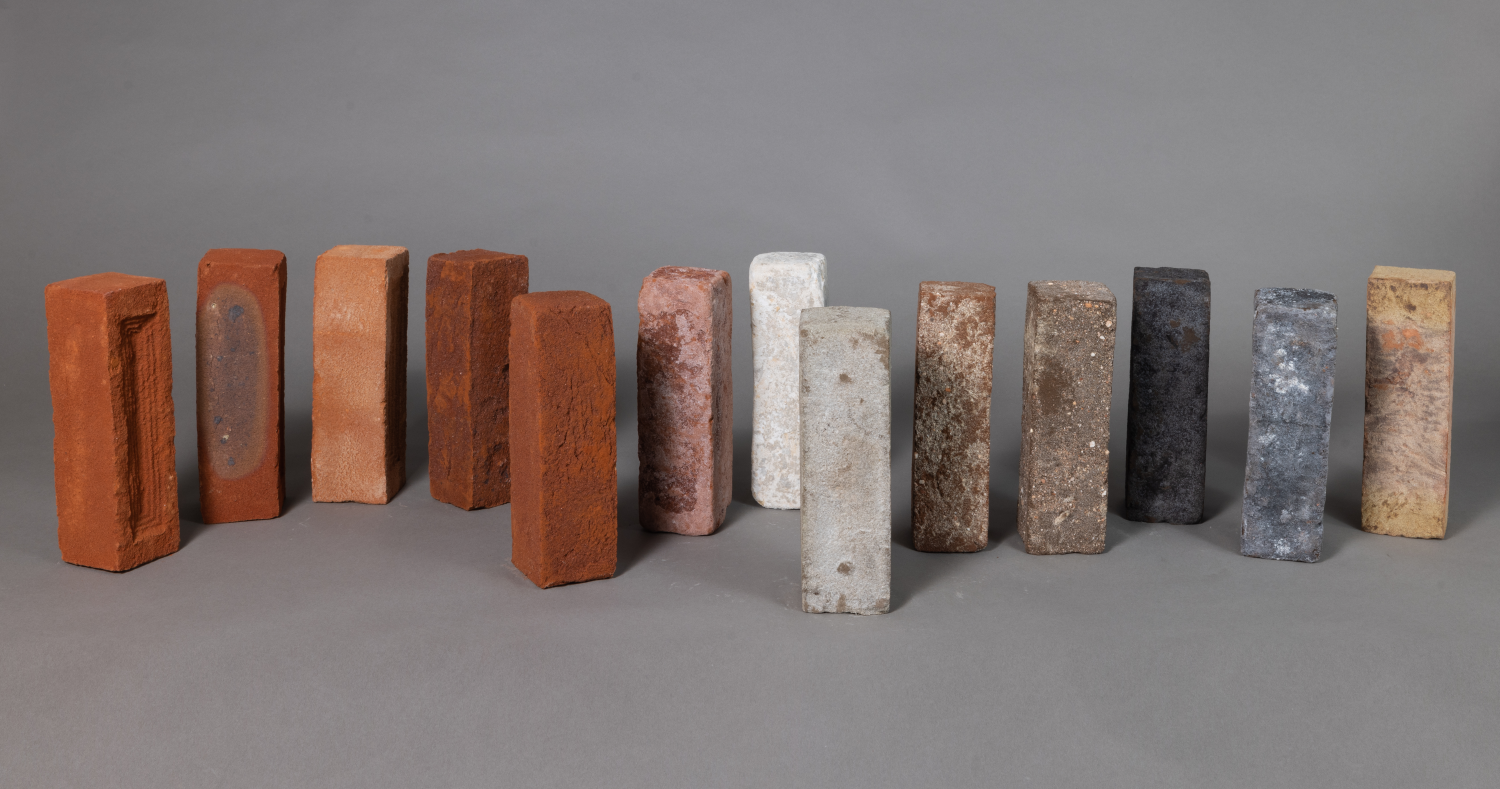
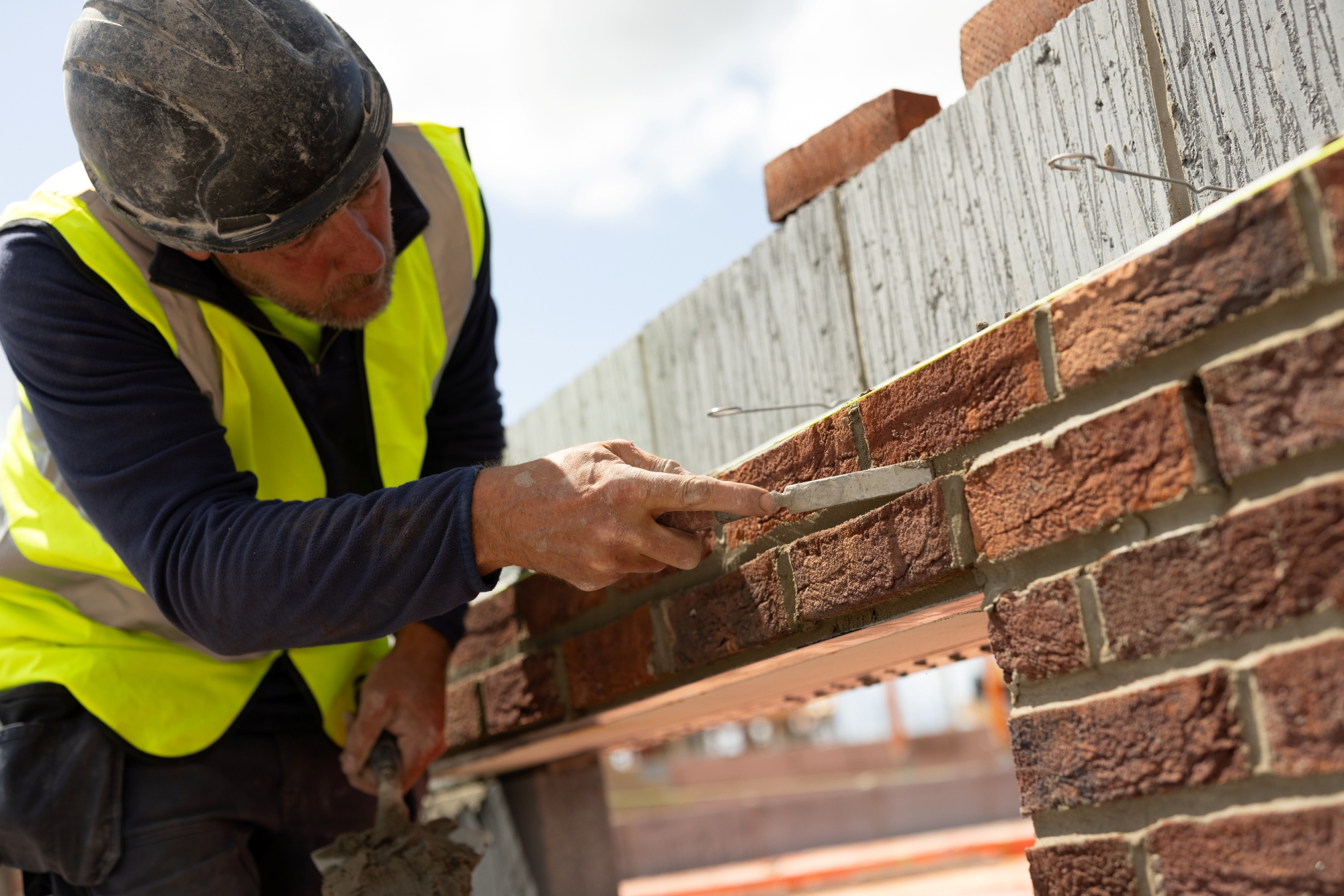
Lower-carbon products are becoming an increasingly important part of the masonry market, but their success depends on more than technical performance. Take Eco-Brick as an example, which is wienerberger’s lower-carbon, narrower-format facing brick, designed to help reduce embodied carbon while supporting compliance with Part L through improved thermal performance.
Eco-Brick provides the same level of performance expected from modern clay brick systems, while reflecting the direction of travel for the industry as manufacturers respond to evolving market demands.
However, products like these don’t create change on their own. Their value is realised when merchants understand the challenges they solve, can explain the benefits with confidence and know where to access the right technical support throughout the sales process.
Even where products are supplied directly or through specialist routes, merchants remain an important part of those early conversations, helping customers identify the most appropriate solutions and connecting them with manufacturers where required.
In short, innovation is only successful when knowledge travels through the supply chain alongside the product itself.
The future of masonry won’t be shaped solely by better products but stronger partnerships between manufacturers, merchants and their customers. For innovation to succeed, manufacturers and merchants need to work in partnership, and that means manufacturers supporting merchants with product training, technical expertise, environmental data and ongoing commercial support alongside developing new products.
By giving merchants the tools and information they need to recommend new solutions with confidence, manufacturers can help turn innovation into wider adoption across the supply chain.
As customer demands continue to evolve, those partnerships will become increasingly valuable. Merchants who are confident discussing such solutions will differentiate themselves through service as much as stock, while manufacturers that invest in supporting the distribution network will be better placed to see innovation adopted at scale.
While it’s clear that the masonry market is changing, we should view it as an opportunity rather than a challenge. No one is expected to have all the answers; however, where specialist technical guidance is needed, wienerberger’s local experts and technical teams are available to support customers throughout the specification process.
Click here for more information from wienerberger.