
Mirka’s Ryan Jones outlines how supply chain expectations are increasing, necessitating additional supplier support to build product knowledge among branch teams and facilitate practical training for staff and customers alike.
Today’s builders’ merchants are expected to do far more than simply stock products; they are expected to provide expert advice for professional tradespeople and DIYers alike. And with this expectation, it is more important than ever that the businesses have knowledgeable staff who can handle customer questions and confidently take them through the options available, directing them to the right solution.
This is especially important in the current environment as manufacturers are continually introducing new tools and technologies designed to improve productivity, dust control, ergonomics and compliance on site.
This is where training is essential. It provides staff with the knowledge to answer key questions from customers and highlight the relevant items that will meet the demands of the job. This, in turn, helps customers avoid the trap that is the ‘buy cheap buy twice’ scenario.
“At Mirka, we believe that the training that is available to businesses is customisable rather than a one size fits all approach, tailoring the training to the branch itself.”
Furthermore, it also creates a trust between the merchant and the customer that could lead to additional business as well as opening up new sales avenues via recommendations to friends and colleagues.
At Mirka, we believe that the training available to businesses is customisable rather than a one size fits all approach, tailoring the training to the branch itself by focusing on the products, applications and customer types most relevant to that location.
Alongside educating staff, we are also seeing a renewed focus from merchants to educate their customer base with businesses running more ‘demo’ days or manufacturer-specific sessions, which are becoming a real asset.
The reasons are multi-faceted. Firstly, getting the tools or products in the hands of the customer. Secondly, the opportunity to meet with the product specialist from the brand. A third is linked to the product specialist by being able to ask them technical questions about the products, so the customer can see how they fit into their work. Fourthly, creating relationships between the end user and the brand, so that the product they might see will be front of mind for future purchases.
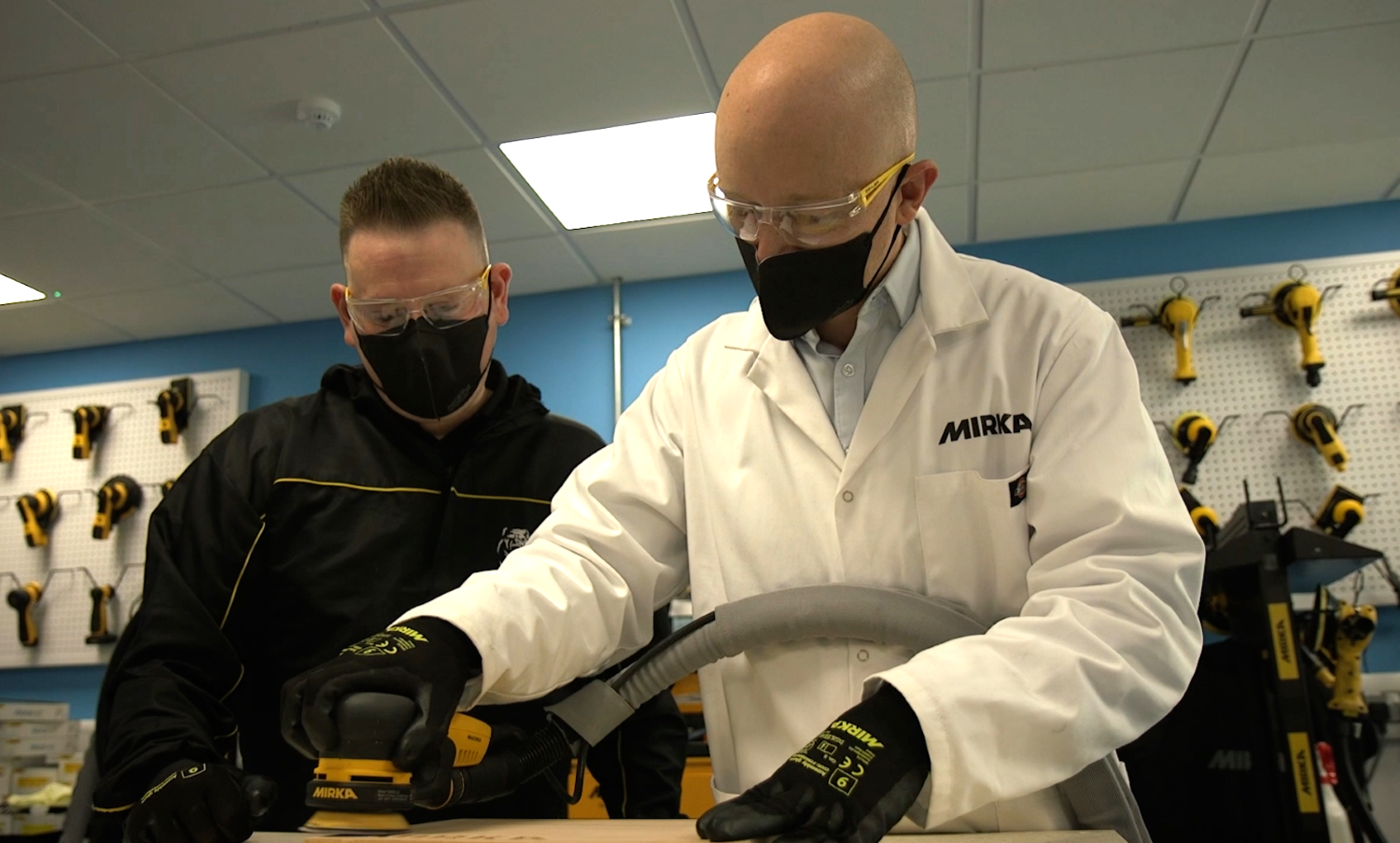
In addition, over the years, we have seen that when users understand the tool’s capabilities and have the opportunity to compare it to what they currently use, it makes the purchasing decision easier.
It is important these events are conducted on a regular basis rather than every once in a while. This creates continuity while customers become accustomed to the events and are willing to take time out of their busy schedule to attend.
It also leads to the branches becoming a ‘destination’ where tradespeople know they have the opportunity to learn about new products, gain practical advice and access expert knowledge from manufacturers. This added value helps differentiate independent merchants and national branches alike in an increasingly competitive marketplace.
Ultimately, investing in product knowledge benefits everyone involved. Merchants develop more knowledgeable teams, manufacturers ensure their products are represented correctly, and customers leave with the right tools for the job.
Combined with regular manufacturer demonstration days that allow end users to experience products first-hand, training helps create better-informed purchasing decisions, stronger customer relationships and increased confidence throughout the supply chain.
For more information, visit www.mirka.com/en-gb