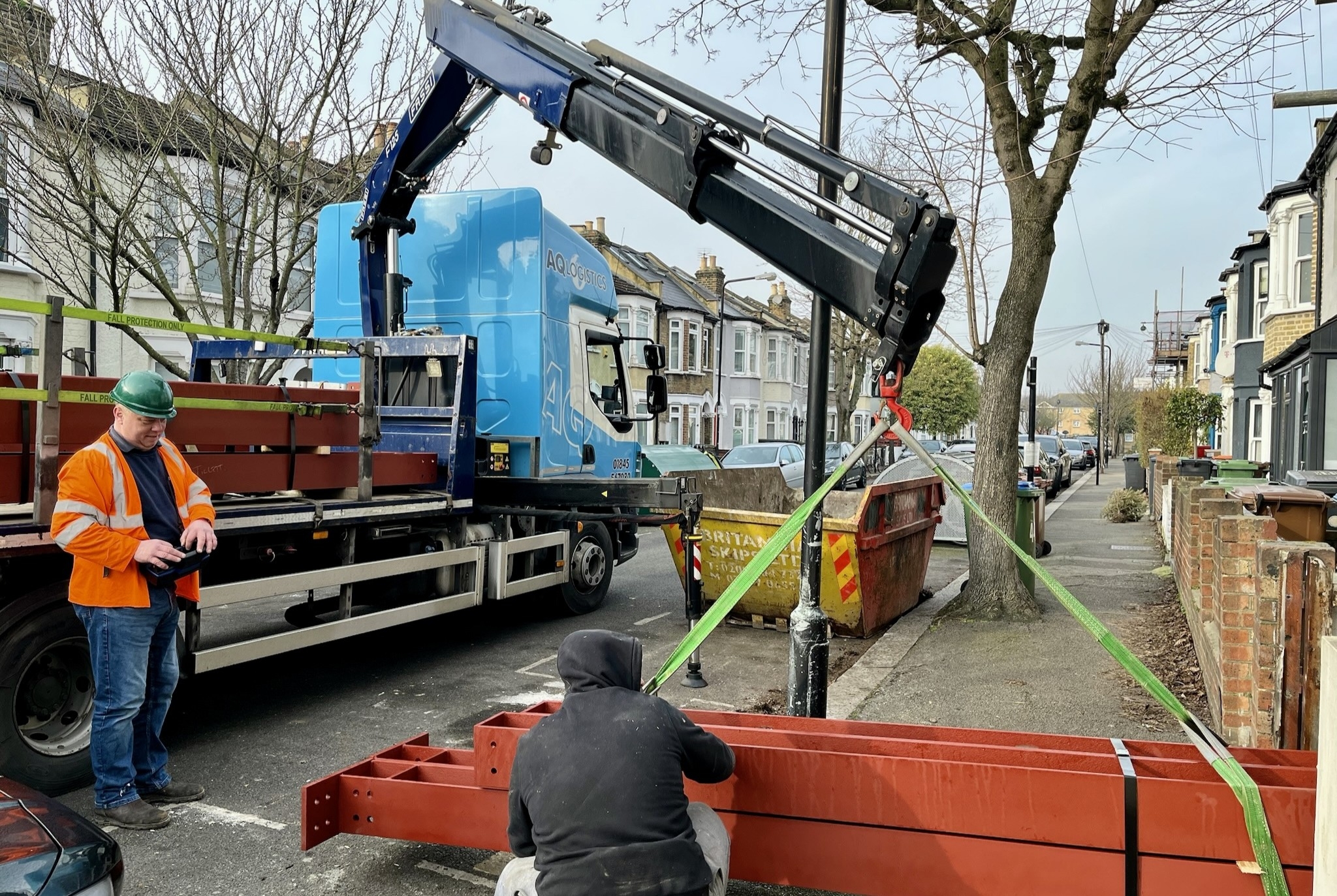


Reusing structural steel has huge circular economy benefits and can be much more cost effective than new steel while offering good margins for merchants. So says Cleveland Steel & Tubes, which has recently launched a new guide specifically created to help builders’ merchants sell more reused structural steel for housebuilding and renovation projects.
Officially launched at Circular Steel UK — the industry’s leading event dedicated to making structural steel reuse viable at scale — earlier in the summer, the free booklet from Cleveland Steel & Tubes has been developed to provide a practical guide on how to specify reused steel, how to ensure it complies with relevant building regulations and even offers advice on logistics.
Reused steel is available as beams (or pipes) that come from surplus stock or are reclaimed during demolition, and CST notes that major construction contractors have been enjoying the lower cost and carbon of reused structural steel for some time now in high-profile projects like sports stadia. And with the rise of sustainability on the residential construction agenda, interest is growing in reused steel for homes.
“Property owners are increasingly asking contractors for reused steel in their house building and renovation projects due to the significant carbon savings it offers over new steel.”
“We are seeing a significant rise in enquiries and sales of reused steel for residential projects,” said Roy Fishwick, Managing Director of CST. “The amounts of steel supplied are relatively low compared to the tonnage we provide to major contractors, but the cost and carbon savings still stack up.”
Regarding the new guide, Roy continues: “Property owners are increasingly asking contractors for reused steel in their house building and renovation projects due to the significant carbon savings it offers over new steel. We want to make reused steel more accessible for builders’ merchants, so they can remain a one-stop-shop for these residential construction projects.”
Steel is a high carbon product with CO₂ emissions up to 2,400kg/T. In the housebuilding and self-build sectors, CST states that real-world steel reuse applications “have already demonstrated carbon savings at up to 97%.” In addition, “there are proven cost savings of up to 60% compared to new steel.”
As Roy explains: “We often find that clients come to us for the sustainability benefits of reused steel and are surprised at the cost savings on offer. It is a win-win for builders’ merchants as it is a low carbon product with potentially high margins.”
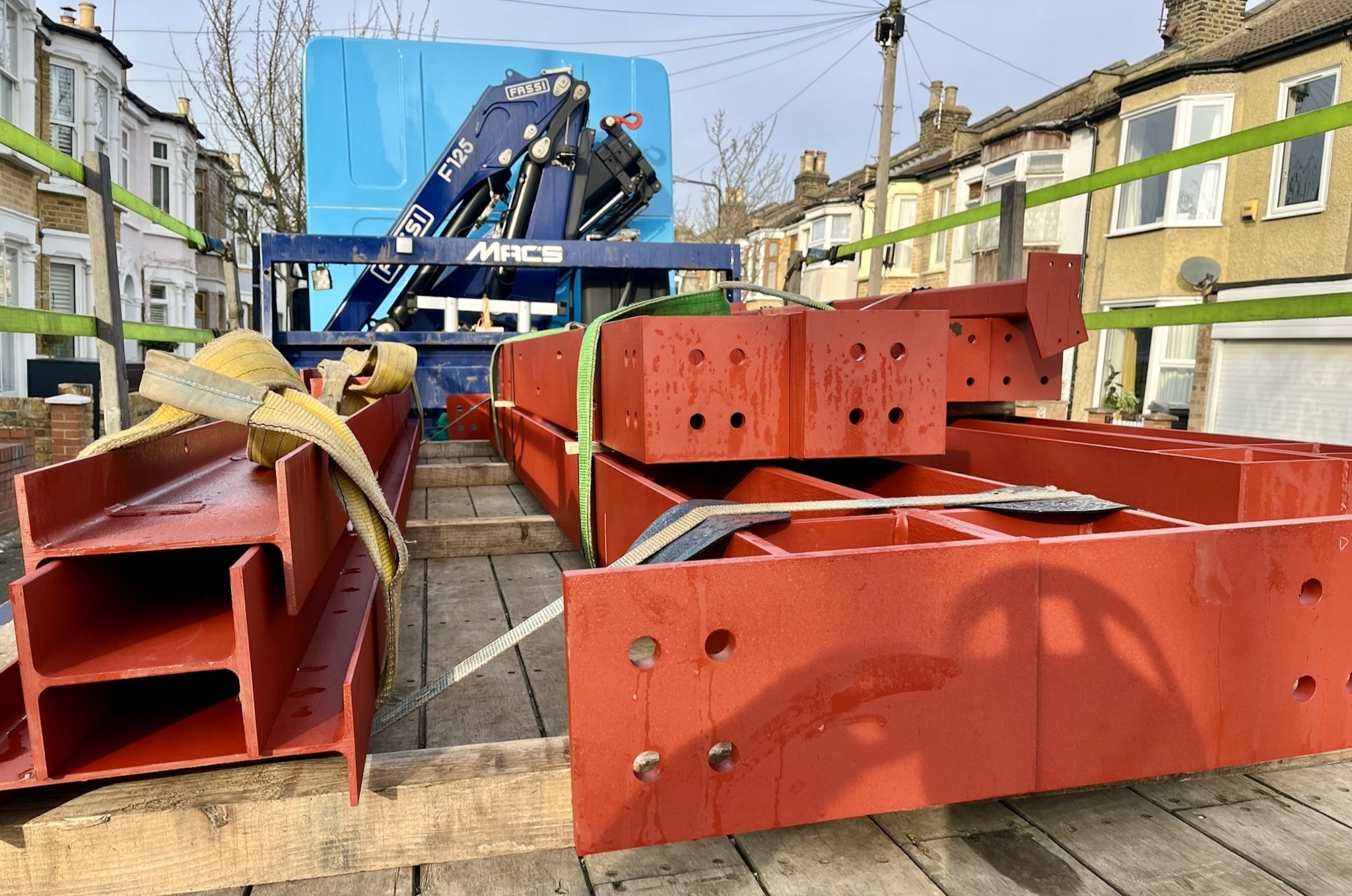
Designed for merchants and their customers, the guide also “busts myths” around the suitability of reused steel for building projects, demonstrating that it can be easily certified via a materials testing report (MTR).
“A lot of contractors, housebuilders and renovators are unaware of how accessible reused steel really is,” said Roy. “It requires a little more planning, but this is more than outweighed by the typical cost savings.”
The publication covers the benefits of reused steel, ensuring regulatory compliance, and how to specify reused steel. It also deals with reworking the steel if required, as well as how to manage delivery and installation.
Roy concludes: “One of the challenges some of our clients encounter is that smaller building contractors are unaware of reused steel. Armed with our guide and case studies, any self-builder, property developer or renovator should be able to easily demonstrate that it is safe, legal, and easy to use.”
Based near Thirsk, North Yorkshire, CST is reputedly the UK’s largest supplier of reused steel, holding more than 70,000 tonnes in stock. It has supplied steel to major projects including the London Olympic Stadia and Canary Wharf’s Wood Wharf.
Download the guide via the CST website here.